Common Types of Wooden Fencing for Melbourne Homes
Table Of Contents
Colorbond Timber Fencing
Fusing the durability of Colorbond steel with the warmth of timber creates a unique fencing option. This approach allows homeowners to enjoy a robust structure resistant to rot and pests, while still maintaining an appealing natural aesthetic. Available in various designs and colours, this type of fencing caters to diverse tastes, blending effortlessly with different architectural styles.
Installation of Colorbond timber fencing is relatively straightforward, making it a popular choice among homeowners looking for a practical solution. The combination of materials provides strength without sacrificing style. Furthermore, the low maintenance requirement ensures that the fencing remains attractive and functional for years, appealing to those who value both design and practicality.
Combining Metal and Wood
The blend of metal and wood in fencing creates a unique aesthetic that appeals to many homeowners. This combination can offer the strength and durability of metal while maintaining the warmth and natural beauty of timber. By integrating materials, property owners can achieve a distinctive look that complements their landscape and architecture.
One popular approach involves using a metal frame to support wooden panels. This method enhances the overall stability of the fence. It allows for various design options, such as different types of wood finishes or styles, giving homeowners the flexibility to tailor their fencing to personal preferences. With proper care, a metal and wood fence can also prove to be a long-lasting investment, requiring minimal maintenance while adding value to the property.
Rural Fencing Styles
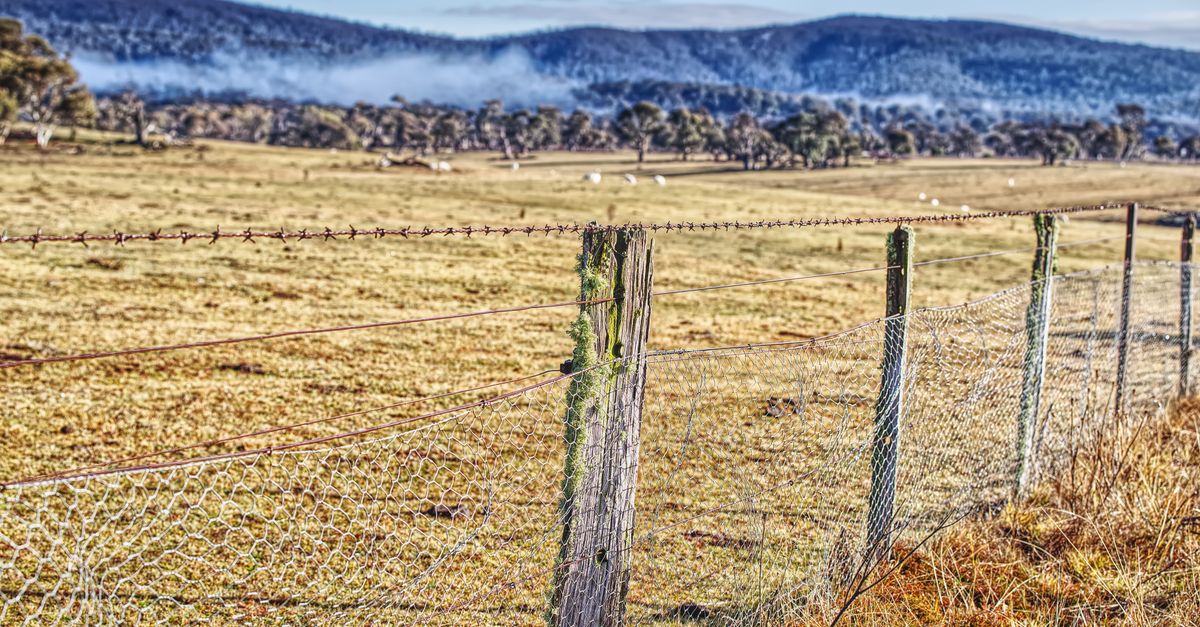
Variations in rural fencing styles reflect the diverse needs of agricultural properties and rural living. Post and rail fencing is a popular choice, offering a classic look that complements natural landscapes. Its simple construction allows for flexibility in design while providing adequate containment for livestock. Another common option is split rail fencing, known for its rustic charm and durability. This type serves not only functional purposes but also enhances the aesthetic appeal of farmsteads.
Barbed wire fencing remains a practical choice for larger properties, providing effective animal control without the bulk of traditional wood fencing. This style is cost-effective and requires minimal maintenance, making it suitable for expansive fields. Stock fencing, typically comprising tightly woven wire, offers enhanced security and prevents smaller animals from slipping through. Each fencing style can be tailored to suit the specific requirements of the land and its use, ensuring both utility and style for rural homes.
Best Practices for Farm Properties
Farm properties require robust fencing that suits their specific needs. Selecting durable materials is essential for withstanding harsh weather conditions and the potential wear from livestock. Timber is a popular choice due to its resilience and natural aesthetic, while also providing sufficient height for livestock containment. Regular maintenance checks help identify wear and tear, promoting longevity and ensuring that security remains intact.
When planning the layout of fencing, farmers should consider the terrain and the types of animals being contained. For example, barbed wire may be effective for larger livestock, while post-and-rail styles can work for smaller animals. Strategically placing gates for ease of access while maintaining security is also vital. Implementing a gradual rotation system can allow for short grazing periods, reducing pasture stress and damage on the land.
Boundary Fencing Solutions
When selecting boundary fencing for your property, various styles and materials offer distinct advantages. Timber fencing remains a popular choice due to its natural aesthetics and versatility in design. Options like palisade and picket fences can add charm to your home while providing clear demarcation. Alternatively, Colorbond offers durability and a modern look, making it suitable for contemporary homes seeking a low-maintenance solution.
It is essential to consider local regulations and property boundaries when installing any fencing. Many councils require permits for specific types of fences or certain heights, so consulting with local authorities is advisable to avoid compliance issues. Ensuring your boundary fence aligns with adjoining properties can also help maintain good relations with neighbours and prevent potential disputes.
Defining Your Property Line
Establishing a clear boundary around your property is essential for both legal and aesthetic reasons. Knowing where your land begins and ends helps prevent disputes with neighbours and ensures that any improvements or modifications stay within your designated area. This is particularly important in Melbourne, where many properties are closely neighbouring one another.
When selecting a fencing option, consider local regulations and the unique characteristics of your land. It is wise to consult with your local council regarding any height restrictions or material guidelines. Engaging with your neighbours can also foster goodwill and potentially lead to shared costs in boundary fencing projects.
FAQS
What are the main types of wooden fencing commonly used in Melbourne?
The main types of wooden fencing used in Melbourne include Colorbond timber fencing, rural fencing styles, and boundary fencing solutions, each offering unique aesthetics and functionality.
What is Colorbond timber fencing?
Colorbond timber fencing is a combination of metal and wood, providing a modern look while ensuring durability and low maintenance. It typically features a Colorbond steel frame with wooden panels.
How can I choose the right fencing style for my property?
Choosing the right fencing style involves considering your property's aesthetics, purpose, and local regulations. It’s important to assess whether you need privacy, security, or simply a decorative border.
What are best practices for installing fencing on farm properties?
Best practices for farm fencing include using sturdy materials, ensuring proper spacing and height for livestock, and regularly maintaining the fence to avoid wear and tear caused by weather or animals.
How can I ensure my wooden fence clearly defines my property line?
To clearly define your property line with a wooden fence, it’s essential to consult your property’s title and boundary surveys. Discussing with neighbours and checking local council regulations can also help avoid disputes.
Related Links
Popular Styles of Brick and Stone FencingUnderstanding Wrought Iron Fencing in Melbourne Homes
Decorative Metal Fencing Choices for Residential Properties
Eco-Friendly Bamboo Fencing Solutions for Homeowners
The Appeal of Picket Fencing in Australian Architecture
Modern Aluminium Fencing Designs for Contemporary Homes
Chain Link Fencing Variants Suitable for Gardens