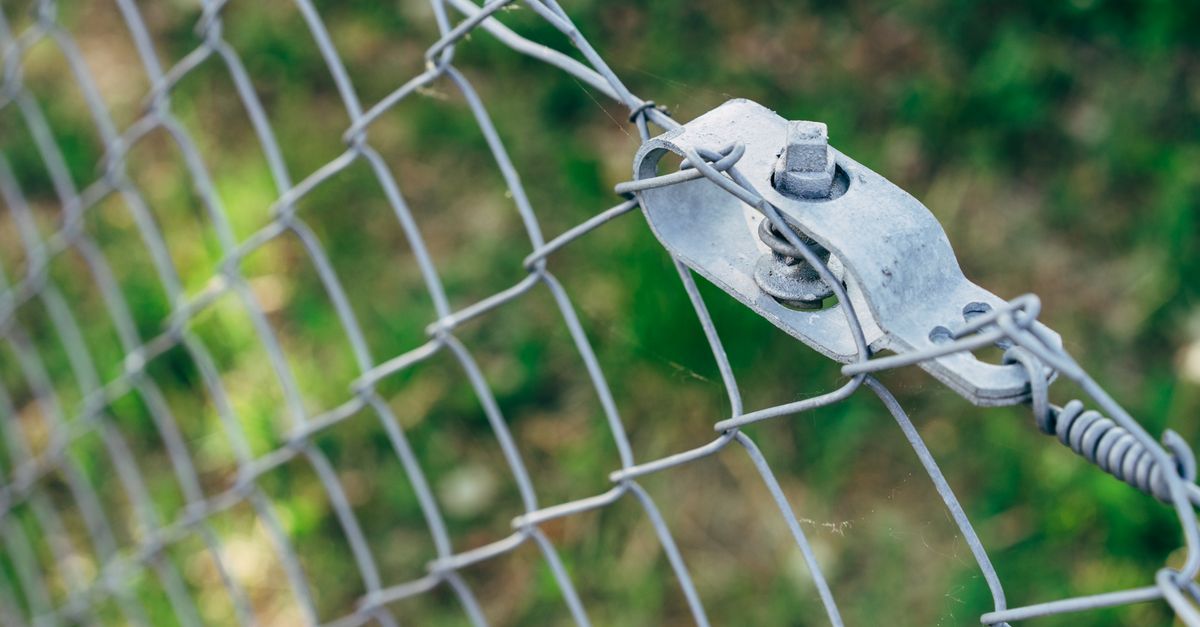
Best Practices for Repairing Metal Commercial Fencing
Table Of Contents
Protective Coatings and Treatments
Metal commercial fencing can be significantly enhanced through the application of protective coatings and treatments. A variety of options are available, including galvanisation, powder coating, and paints specifically designed for metal surfaces. These coatings not only improve the aesthetic appeal but also provide a crucial barrier against environmental elements. Choosing the right coating depends on the specific conditions the fence will face, such as exposure to moisture, salty air, or industrial pollutants.
Regular maintenance of these coatings is essential to ensure long-lasting protection. Inspecting the fence periodically helps identify any signs of wear or damage to the coating. When deterioration is observed, prompt reapplication of the protective layer can prevent more severe issues, such as rust formation or structural weakness. Incorporating treatments like rust inhibitors or sealants can further bolster the longevity of the fence, ensuring that it remains both functional and visually appealing over time.
Best Practices for Preventing Rust and Corrosion
Regular maintenance is crucial for metal fencing to ensure long-lasting durability. Inspecting for any signs of rust or wear helps identify potential issues before they escalate. Keeping the surface clean by removing debris, dirt, and moisture will help prevent corrosion. Rinsing the fencing with fresh water and using non-corrosive cleaning solutions can effectively eliminate any contaminants that might lead to deterioration.
Applying protective coatings can significantly enhance the metal's resistance to rust. Options such as galvanisation, powder coating, and high-quality enamel paint create barriers that shield the metal from moisture and air exposure. Reapplying these coatings regularly ensures continued protection and maintains the aesthetic appeal of the fencing. Choosing the right coating for the environment, such as coastal areas prone to saltwater exposure, is essential to maximising longevity.
Hiring Professional Services
When tackling repairs on metal commercial fencing, hiring professional services can offer significant advantages. Experts possess the necessary skills and equipment to assess the extent of damage accurately. Their experience allows for effective solutions tailored to specific issues, ensuring a longer-lasting repair. Professionals are also familiar with various materials and techniques, which can prevent further complications down the line.
In some cases, trying to repair the fencing without specialised knowledge can lead to more damage and higher costs. For businesses prioritising safety and aesthetics, professional assistance can provide peace of mind. It is essential to find reputable contractors who have a solid track record in the industry to ensure that the repairs meet both regulatory standards and quality expectations. This approach not only enhances the longevity of the fencing but also helps maintain the overall appearance and integrity of the commercial property.
When to Seek Expert Help for Repairs
Identifying when to enlist professional services for repairing metal commercial fencing is crucial for maintaining the integrity of the structure. Significant damage, such as extensive rust or structural failure, often requires skilled expertise that exceeds general DIY capabilities. Additionally, if the repairs involve intricate designs, welding, or specific compliance with safety standards, it is prudent to consult a professional.
Evaluating the time and tools needed for repair can also indicate when to seek help. If a project seems overwhelming or if proper tools are unavailable, hiring an expert can save time and reduce the risk of further damage. Consulting with a professional can provide access to specialised knowledge and high-quality materials, ensuring repairs are both effective and durable.
Cost Considerations
Budgeting for metal fence repairs requires a comprehensive assessment of potential costs. Factors such as material quality, the extent of damage, and labour rates can significantly influence the final price. It is essential to gather quotes from multiple suppliers and contractors to create a realistic budget. Moving forward with careful comparisons helps in identifying the most cost-effective solutions without compromising on quality.
Unexpected costs can arise during the repair process. Hidden damages may become apparent only after work has commenced, which can inflate the initial budget. Setting aside a contingency fund can provide financial flexibility to address these unforeseen issues. Regular maintenance can mitigate future repair costs, leading to long-term savings on overall fencing upkeep.
Budgeting for Metal Fence Repairs
Proper budgeting is essential for maintaining the integrity of a metal commercial fence. Initial expenses can include repairs from rust, dents, or structural damage. Regular inspections can help identify issues early, potentially reducing costs over time. Setting aside a maintenance fund can also be beneficial, allowing for timely repairs before problems escalate.
When estimating repair costs, it's crucial to consider both material and labour expenses. Prices for materials can vary based on quality and supplier. Labour costs should reflect the level of expertise required for specific repairs. Allocating funds for unexpected repairs ensures that businesses can address any issues without significant financial strain.
FAQS
What are the best protective coatings for metal commercial fencing?
The best protective coatings for metal commercial fencing include galvanisation, powder coating, and epoxy paints. These coatings help prevent rust and corrosion, extending the lifespan of the fence.
How can I prevent rust and corrosion on my metal fence?
To prevent rust and corrosion, regularly inspect your fence for damage, clean it to remove dirt and moisture, apply protective coatings, and ensure any scratches or chips are promptly repaired.
When should I consider hiring a professional for metal fence repairs?
You should consider hiring a professional for repairs when the damage is extensive, when structural integrity is compromised, or when you lack the skills or tools needed for the repair.
What factors influence the cost of metal fence repairs?
Factors influencing the cost of metal fence repairs include the extent of the damage, the type of materials needed, labour costs, and any additional treatments or coatings required.
How can I budget for metal fence repairs effectively?
To budget for metal fence repairs effectively, assess the condition of your fence, obtain multiple quotes from professionals, factor in the costs of materials and treatments, and set aside a contingency fund for unexpected expenses.
Related Links
How to Extend the Lifespan of Your Commercial FenceCommon Issues in Commercial Fencing Maintenance
Troubleshooting Common Problems with Commercial Fences
Upgrades and Repairs for Aging Commercial Fencing
Impact of Weather on Commercial Fence Durability
Professional vs DIY Repairing of Commercial Fencing
Essential Tools for Maintaining Commercial Fencing
Cost-Effective Strategies for Commercial Fence Maintenance